
Section III
Turning Point
“Hardships often prepare ordinary people for an extraordinary destiny.”
— C.S. Lewis

Kim
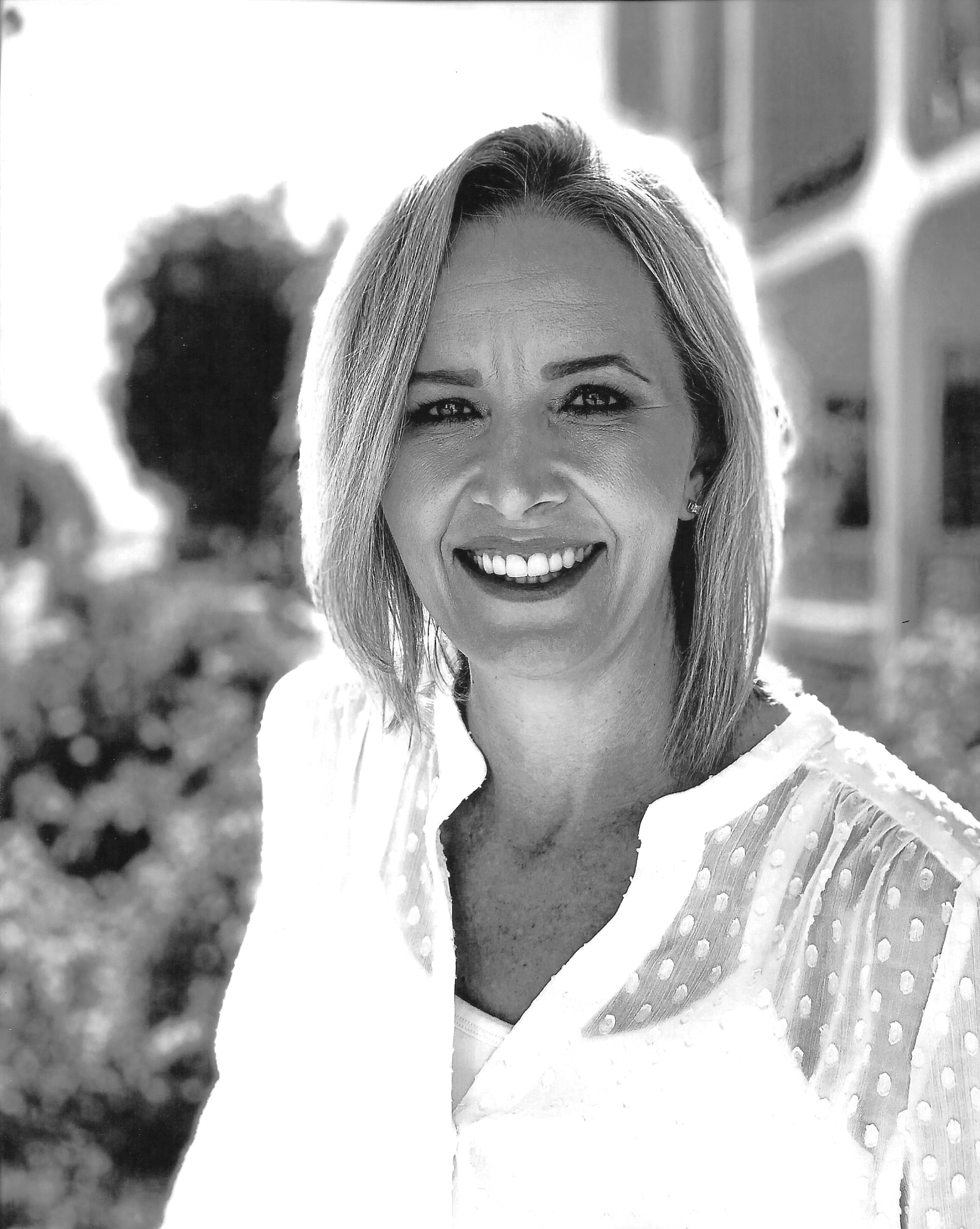
“Grief carves out spaces that may never fully heal, yet life can plant something new in those hollows. At the time, I didn’t realize love would return — not as a replacement or a fix, but as a companion for the journey ahead. This chapter isn’t just about falling in love; it’s about learning to love and live again, with someone who truly saw me, challenged me, and helped me become more whole than I ever imagined.
Then I met her.
Kim.
The woman who would become the love of my life and my best friend.”
— me – Being What I’ve Always Been

Competition: Round 2
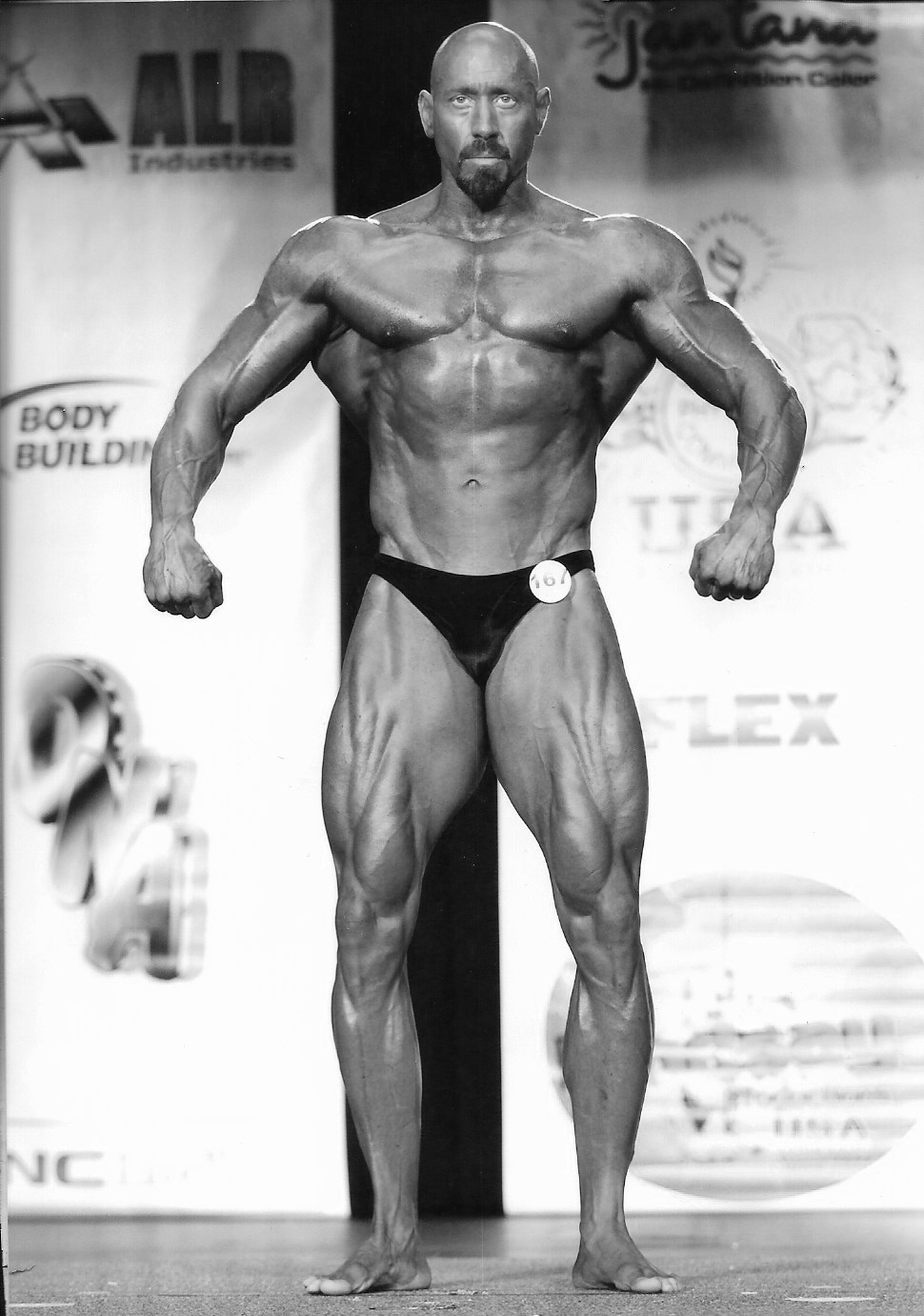
“Sharing a birthday with my youngest daughter helped soften the pain of burying Alicia on that same day years before. Returning to the Border States show — where devastating news had once forced me to leave before it began — felt like a mission to reclaim something lost.
This time, I was going back, not as a vendor, but as a competitor.
It was time to return to San Diego and put a different face on the name of that show. With laser focus, I trained harder than I ever had. When the purpose is strong enough, training becomes a kind of obsession. You’ll do almost anything.”
— me – Being What I’ve Always Been

My Copernican Revolution
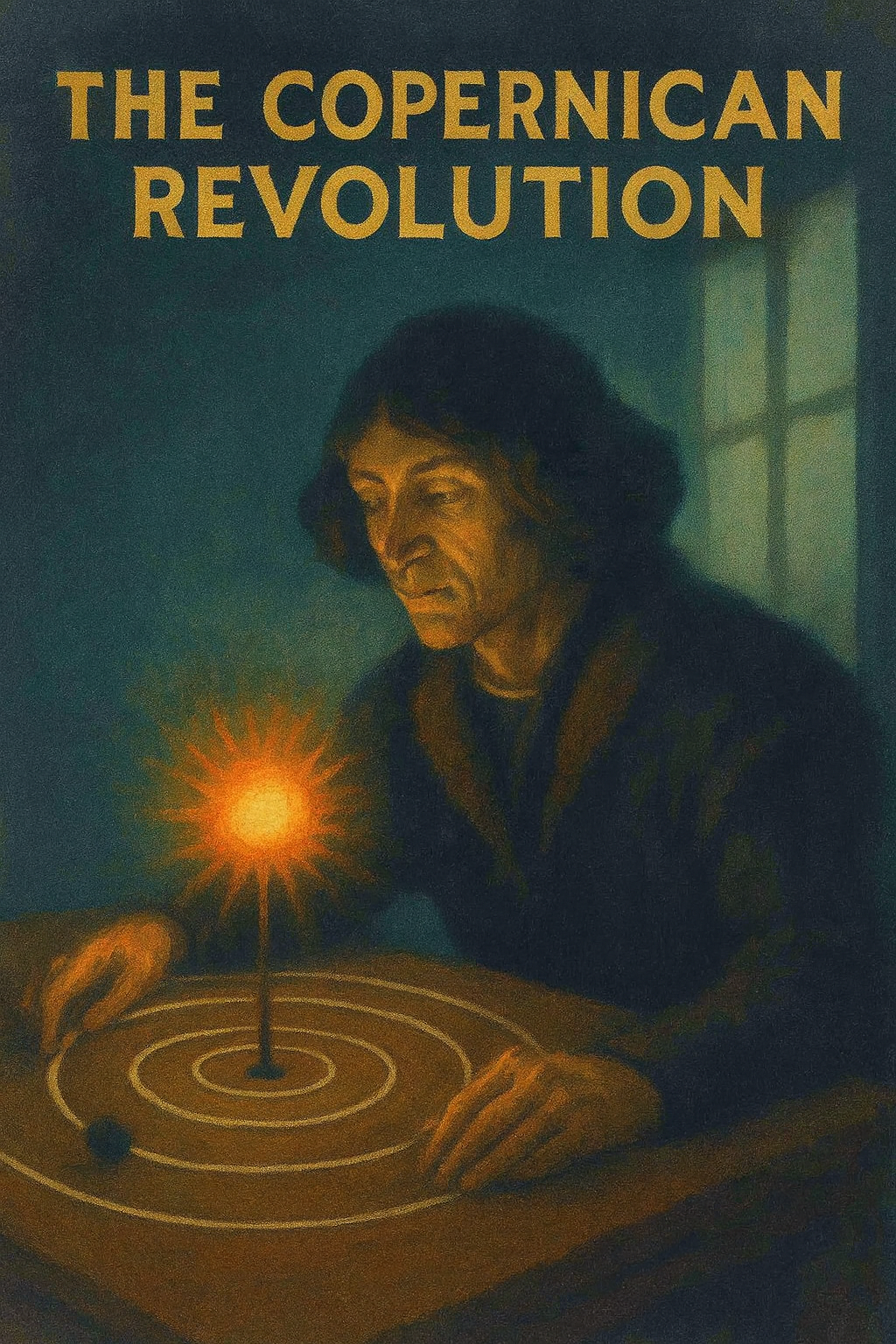
“At first, I struggled to accept it. Despite all the research, all the logic, my common sense kept whispering, This can’t be how it really works. But then I remembered: common sense is often a poor guide when it comes to the nature of reality. History is full of examples.
Take the Copernican Revolution.
For centuries, it seemed obvious that the sun rose and set around us. That Earth was the center of everything. That the sky moved, not us. It was comforting. Predictable. Intuitive. Comforting.
But it was wrong.”
— me – Being What I’ve Always Been

CBM
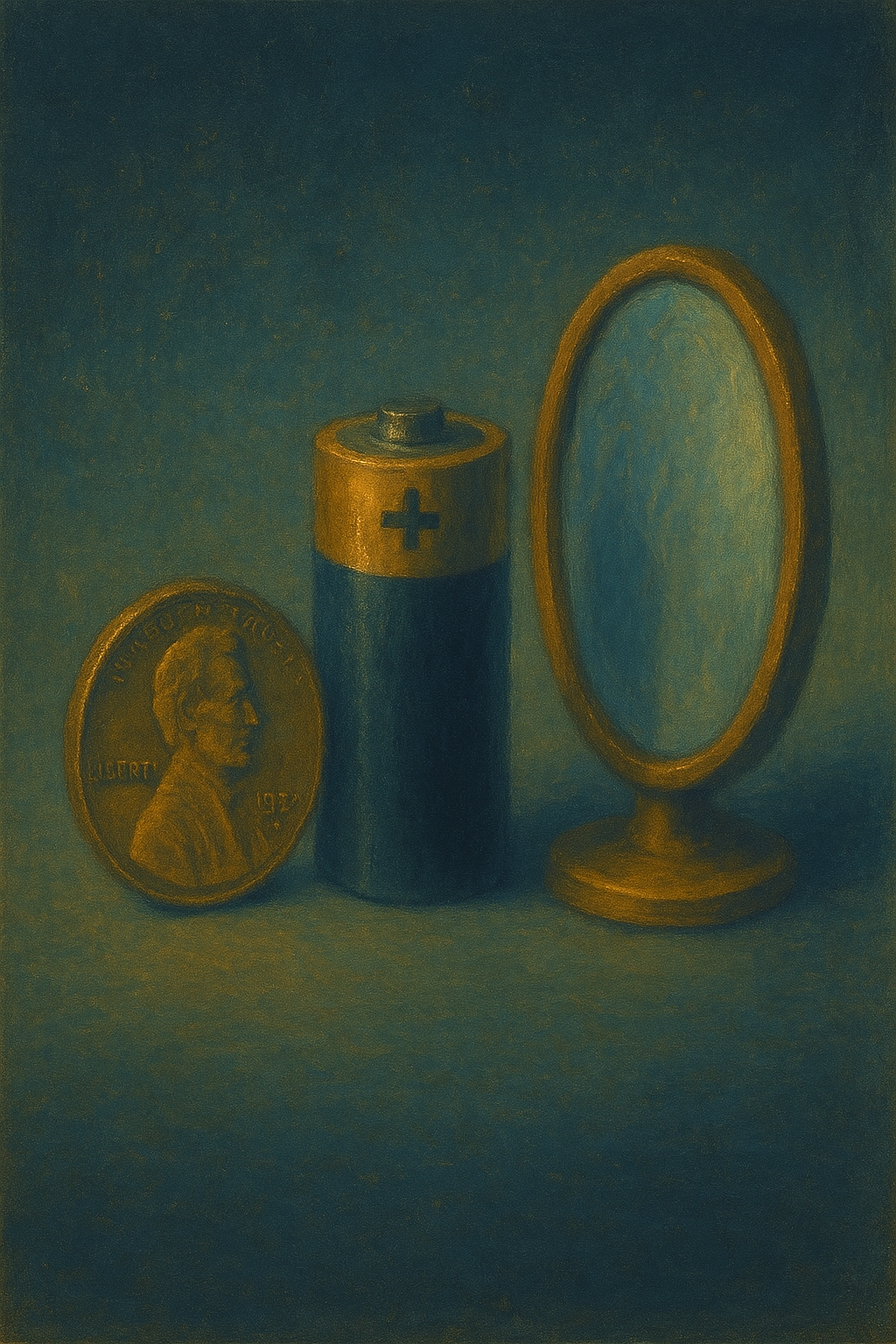
“To help me through my “Copernican shift”—realizing that I wasn’t experiencing the world directly but generating a constructed, private version of it—I needed something to steady me. Something to set the context of what it means to be me. The insight was liberating, yes, but also slippery. Consciousness isn’t easy to point to, and I found myself craving anchors—something tangible to hold in my hand as I wrestled with the abstract.
So I turned to the ordinary.
Three simple objects from around the house—a coin, a battery, and a mirror—first introduced in the previous chapter. On their own, they’re everyday things. But for me, they became symbols, examples—shorthand for the mystery of me.
Together, they gave me a way to return to the ineffable with something I could see, feel, and contemplate. They became my tools for grounding the revolution I’m undergoing—and for exploring what it means to live with my consciousness in the everyday. They help me set the context of what it means to be me whenever I need it.”
— me – Being What I’ve Always Been